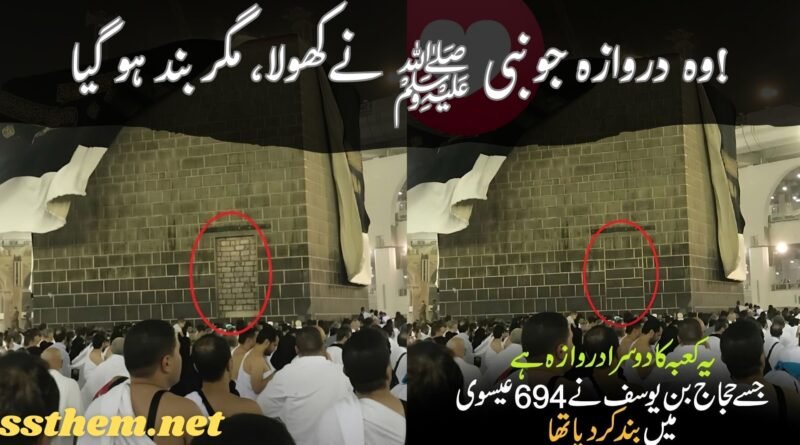
Know The Truth The Door That Changed Makkah Forever
وہ دروازہ جو نبی ﷺ نے کھولا، مگر بند ہو گیا! The Door the Prophet ﷺ Opened but Was Later Sealed!
ایک ایسا دروازہ جس کی کہانی دل کو چھو لیتی ہے
A Door Whose Story Touches the Heart
کعبہ، اللہ کا گھر، دنیا بھر کے مسلمانوں کا مرکزِ عقیدت، اپنے اندر بے شمار راز چھپائے ہوئے ہے۔ لیکن ایک دروازہ ایسا بھی ہے جو نبی ﷺ نے اپنے دستِ مبارک سے کھلوایا، مگر کچھ دہائیوں بعد ہمیشہ کے لیے بند کر دیا گیا۔
The Kaaba, the sacred House of Allah and the center of Muslim devotion worldwide, holds countless mysteries. Yet, one story stands apart — the door that Prophet Muhammad ﷺ personally opened, which was later sealed forever by human hands.
یہ محض ایک دروازہ نہیں، بلکہ ایمان، تاریخ، اور سیاست کے تصادم کی ایک زندہ علامت ہے۔
It wasn’t just a door — it became a symbol of the intersection between faith, history, and power.
ابتدائی دور نبی ﷺ کا فیصلہ اور اس کے پیچھے حکمت The Early Era — The Prophet’s Decision and Its Divine Wisdom
نبی اکرم ﷺ کے زمانے میں، کعبہ میں دو دروازے تھے۔ ایک دروازہ داخلے کے لیے اور دوسرا نکلنے کے لیے رکھا گیا تاکہ طواف کرنے والے آسانی سے حرکت کر سکیں۔
During the Prophet’s ﷺ lifetime, the Kaaba had two doors — one for entering and another for exiting, allowing smooth flow for those performing Tawaf (circumambulation).
روایات کے مطابق، نبی ﷺ نے یہ انتظام حضرت ابراہیم علیہ السلام کے زمانے کے مطابق رکھا، تاکہ کعبہ میں داخل ہونا سب کے لیے ممکن رہے۔
According to authentic narrations, the Prophet ﷺ wished to maintain the original design built by Prophet Ibrahim (AS), so that everyone could enter the Kaaba freely, without restriction of class or tribe.
قریش کی تعمیر اور دروازوں کی تبدیلی The Quraysh Reconstruction and Changes to the Doors
نبی ﷺ کی بعثت سے قبل جب قریش نے کعبہ کی دوبارہ تعمیر کی، تو انہوں نے دروازہ اونچا کر دیا تاکہ صرف مخصوص لوگ ہی اندر داخل ہو سکیں۔
Before Prophethood, during the Quraysh’s reconstruction, they raised the door of the Kaaba so that only selected individuals could enter — a symbol of prestige and control.
نبی ﷺ کو یہ بات پسند نہ تھی۔ آپ ﷺ نے فرمایا کہ اگر قریش ابھی نئے ایمان میں کمزور نہ ہوتے، تو میں کعبہ کو اس کی اصل ابراہیمی حالت میں واپس کر دیتا۔
The Prophet ﷺ once said:
“If your people were not so close to the age of ignorance, I would have rebuilt the Kaaba upon the foundation of Ibrahim and made it have two doors.” (Sahih al-Bukhari)
یہی وہ دروازہ تھا — جو نبی ﷺ نے کھولا، تاکہ امت کے لیے راستہ آسان ہو، مگر بعد میں بند کر دیا گیا۔
That was the very door — opened by the Prophet ﷺ for the ease of the Ummah, but sealed later in history.
اموی دور اور حجاج بن یوسف کا فیصلہ The Umayyad Era and the Order of Al-Hajjaj ibn Yusuf
سن 694 عیسوی میں، اموی خلیفہ عبدالملک بن مروان کے حکم پر حجاج بن یوسف نے مکہ میں ایک فیصلہ کیا جس نے تاریخ کا رُخ بدل دیا۔
In 694 AD, under the rule of the Umayyad Caliph Abdul Malik ibn Marwan, his governor Al-Hajjaj ibn Yusuf made a decision in Makkah that would alter Islamic architectural history forever.
حجاج نے کعبہ کے دوسرے دروازے کو بند کرنے کا حکم دیا۔ اس کا کہنا تھا کہ طواف کے دوران صرف ایک ہی دروازے سے داخلہ اور خروج ہونا چاہیے تاکہ نظم و ضبط برقرار رہے۔
Al-Hajjaj ordered that the second door of the Kaaba be permanently sealed. His justification was that pilgrims should enter and exit through a single door to maintain order and discipline during Hajj and Umrah.
سیاسی پس منظر اقتدار اور مذہب کا امتزاج Political Context The Blend of Power and Religion
اس فیصلے کے پیچھے محض انتظامی سوچ نہیں تھی۔ اس وقت مکہ اور مدینہ سیاسی انتشار کا شکار تھے۔ حجاج نے اپنے اقتدار کو مضبوط کرنے کے لیے مذہبی علامتوں پر بھی کنٹرول حاصل کیا۔
The closure wasn’t merely administrative. Makkah and Madinah were under political turmoil, and Al-Hajjaj sought to assert authority by controlling even the sacred symbolism of the Kaaba.
کچھ مؤرخین کے مطابق، یہ اقدام دراصل حضرت عبداللہ بن زبیر رضی اللہ عنہ کے دور کی مخالفت میں کیا گیا، کیونکہ انہوں نے کعبہ کو نبی ﷺ کی خواہش کے مطابق دو دروازوں والا بنا دیا تھا۔
Some historians believe this act was a reversal of Abdullah ibn Zubair’s reconstruction, who had rebuilt the Kaaba according to the Prophet’s original wish with two doors.
کعبہ کا دوسرا دروازہ کہاں تھا؟ Where Was the Second Door Located?
کعبہ کے پچھلی دیوار میں، موجودہ سنہری دروازے کے بالکل مخالف سمت، ایک بند جگہ اب بھی موجود ہے۔ یہ وہی مقام ہے جہاں دوسرا دروازہ ہوتا تھا۔
On the back wall of the Kaaba, directly opposite the present golden door, lies a sealed section of stonework — the exact spot where the second door once stood.
زائرین آج بھی اگر غور سے دیکھیں، تو غلافِ کعبہ (Kiswah) کے نیچے اس بند دروازے کی لکیر نما ساخت واضح محسوس ہوتی ہے۔
Even today, observant pilgrims can detect the outline of the sealed doorway beneath the black cloth of the Kaaba.
روحانی معنی دروازہ بند ہوا مگر رحمت نہیں Spiritual Meaning The Door Closed, but Mercy Didn’t
یہ دروازہ اگرچہ پتھروں سے بند ہو گیا، مگر رحمت کے دروازے آج بھی کھلے ہیں۔
Though sealed by stone, the doors of divine mercy remain forever open.
ہر وہ شخص جو طواف کرتا ہے، دراصل اللہ کے گھر کے گرد گھوم کر یہی اعلان کرتا ہے کہ “میرے رب کے دروازے بند نہیں ہو سکتے۔”
Every pilgrim performing Tawaf silently declares: “The doors of my Lord never close.”
قرآن و سنت کی روشنی میں دروازے کی علامت The Symbolism of the Door in Qur’an and Sunnah
قرآن میں فرمایا گیا:
“وَمَنْ دَخَلَهُ كَانَ آمِنًا”
“جو اس (کعبہ) میں داخل ہو گیا، وہ امن میں آ گیا” (آلِ عمران 97)
This verse signifies that entry into the Kaaba represents peace, safety, and forgiveness.
دروازہ بند ہو جانا صرف جسمانی تبدیلی تھی، مگر روحانی سطح پر یہ دروازہ ہمیشہ کھلا رہا۔
The physical closure didn’t affect the spiritual openness of Allah’s mercy toward His servants.
دلچسپ تاریخی حقائق Fascinating Historical Facts
حضرت عبداللہ بن زبیر رضی اللہ عنہ نے کعبہ کو نبی ﷺ کی خواہش کے مطابق دو دروازوں والا بنایا تھا۔
حجاج بن یوسف نے دوبارہ تعمیر کر کے ایک دروازہ بند کر دیا۔
موجودہ دروازہ 1979 میں خالص سونے سے بنایا گیا۔
بند دروازہ آج بھی پتھروں میں چھپا ہوا نشان ہے۔
نبی ﷺ نے فرمایا کہ کعبہ میں داخل ہونا امن کی علامت ہے۔
مؤرخین اور محققین کی آراء Opinions of Historians and Researchers
مشہور اسلامی مورخ الازرقی نے اپنی کتاب اخبار مکہ میں لکھا کہ “کعبہ کے دو دروازے حضرت ابراہیم علیہ السلام کے طرزِ تعمیر کے مطابق تھے۔”
The historian Al-Azraqi, in Akhbar Makkah, noted that the Kaaba originally had two doors following Prophet Ibrahim’s design.
ابنِ کثیر کے مطابق، “حجاج کا اقدام ایک سیاسی فیصلہ تھا، دینی نہیں۔”
According to Ibn Kathir, Al-Hajjaj’s action was political rather than religious.
کعبہ کے دروازوں کی موجودہ حالت Current Condition of the Kaaba’s Doors
موجودہ دروازہ باب الکعبہ کے نام سے جانا جاتا ہے۔ یہ خالص سونا ہے، جس پر قرآنی آیات نقش ہیں۔
The current Bab al-Kaaba is made of pure gold with engraved Qur’anic verses.
دوسرا دروازہ اب بھی بند ہے مگر غائب نہیں یہ تاریخ کا خاموش گواہ ہے۔
The second door remains sealed but not forgotten — a silent witness to the evolution of Islamic history.
کیا یہ دروازہ دوبارہ کھل سکتا ہے؟Can This Door Ever Be Reopened?
علماء کا کہنا ہے کہ کعبہ کی موجودہ ساخت کو امتِ مسلمہ کے اجماع اور شرعی اتھارٹی نے تسلیم کر رکھا ہے۔
Scholars affirm that the current structure of the Kaaba is sanctified by Ijma’ (consensus) of the Muslim Ummah.
لہٰذا اس میں کوئی تبدیلی صرف عالمی سطح پر باہمی رضامندی سے ہو سکتی ہے۔
Hence, any change — including reopening the second door — would require a global Islamic consensus and royal authorization.
عبرت اور سبق Lessons and Reflection
یہ دروازہ بند ہوا، مگر اس کے پیچھے ایمان، عاجزی، اور تاریخ کا سبق چھپا ہے۔
This sealed door teaches us faith, humility, and lessons from history.
اللہ کبھی بھی اپنے بندوں کے لیے رحمت کے دروازے بند نہیں کرتا — یہ دروازہ محض یاد دہانی ہے کہ ایمان والوں کے لیے اللہ کے راستے ہمیشہ کھلے رہتے ہیں۔
Allah never closes the doors of mercy — this door stands as a reminder that for believers, the path to Him is always open.
کعبہ کا دوسرا دروازہ آج بھی خاموشی سے کھڑا ہے، مگر اس کی کہانی ہر دل میں زندہ ہے۔
The Kaaba’s second door may be sealed, but its story lives on in the hearts of the faithful.
یہ دروازہ ایمان کی علامت ہے — جو ہمیں یاد دلاتا ہے کہ جب دنیا کے دروازے بند ہو جائیں، تو اللہ کا دروازہ ہمیشہ کھلا رہتا ہے۔
It reminds us that when the world’s doors close, Allah’s door remains eternally open.
کیا کعبہ کے دو دروازے واقعی موجود تھے؟
جی ہاں، حضرت عبداللہ بن زبیر رضی اللہ عنہ کے دور میں نبی ﷺ کی خواہش کے مطابق دو دروازے تھے۔
Yes, the Kaaba had two doors during Abdullah ibn Zubair’s time, as per the Prophet’s wish.
دوسرا دروازہ کب بند ہوا؟
سن 694 عیسوی میں حجاج بن یوسف کے حکم سے۔
It was sealed in 694 AD by Al-Hajjaj ibn Yusuf.
کیا بند دروازہ آج بھی موجود ہے؟
جی ہاں، کعبہ کے پچھلی دیوار میں اس کا نشان واضح نظر آتا ہے۔
Yes, its outline is still visible on the rear wall.
کیا دوسرا دروازہ دوبارہ کھولا جا سکتا ہے؟
شرعی لحاظ سے ممکن ہے، مگر عملی طور پر عالمی اتفاق ضروری ہے۔
Technically yes, but it would require global Islamic consensus.
نبی ﷺ نے دو دروازوں کا ذکر کیوں کیا؟
تاکہ سب لوگ بغیر امتیاز کے اللہ کے گھر میں داخل ہو سکیں۔
✅ To allow every believer equal access to the House of Allah.